Computing timeline

My computing timeline.

From cartridges and BASIC to medical imaging, developer platforms, and agentic AI. Each era brought a new capability and a new reason to build.

It began in 1983, when I was in the fourth grade of elementary school. I was playing games at first. Then I discovered that you could write instructions and make the computer answer back.

Era timeline

Computer history as a series of invitations to build.

Each wave pairs the wider technology shift with the product work it made possible for me.

Home computersPlay became programmable.This was the first foundation: stay close to how the machine works, but always care about the experience on the screen.Explore this era

Technology era

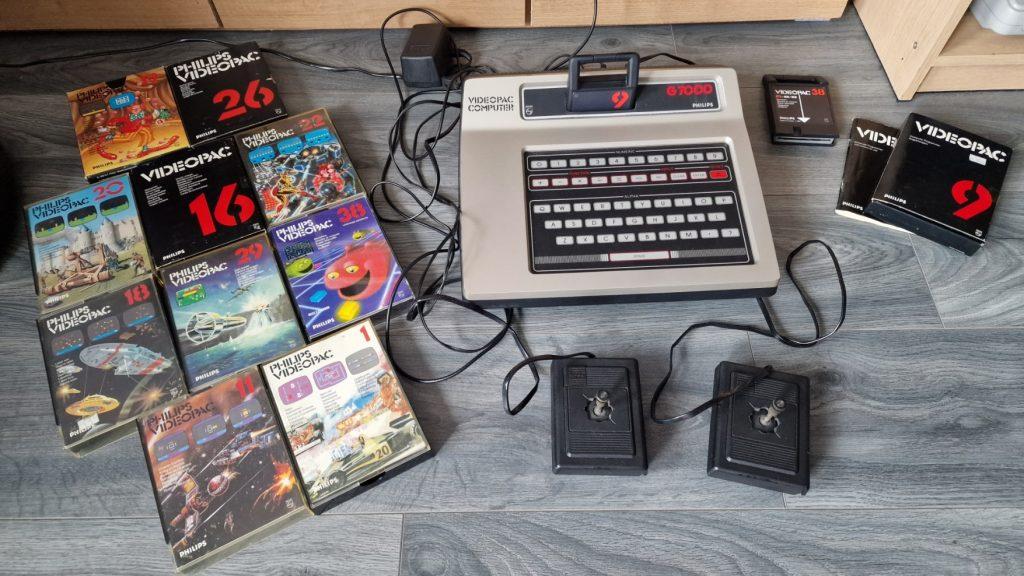
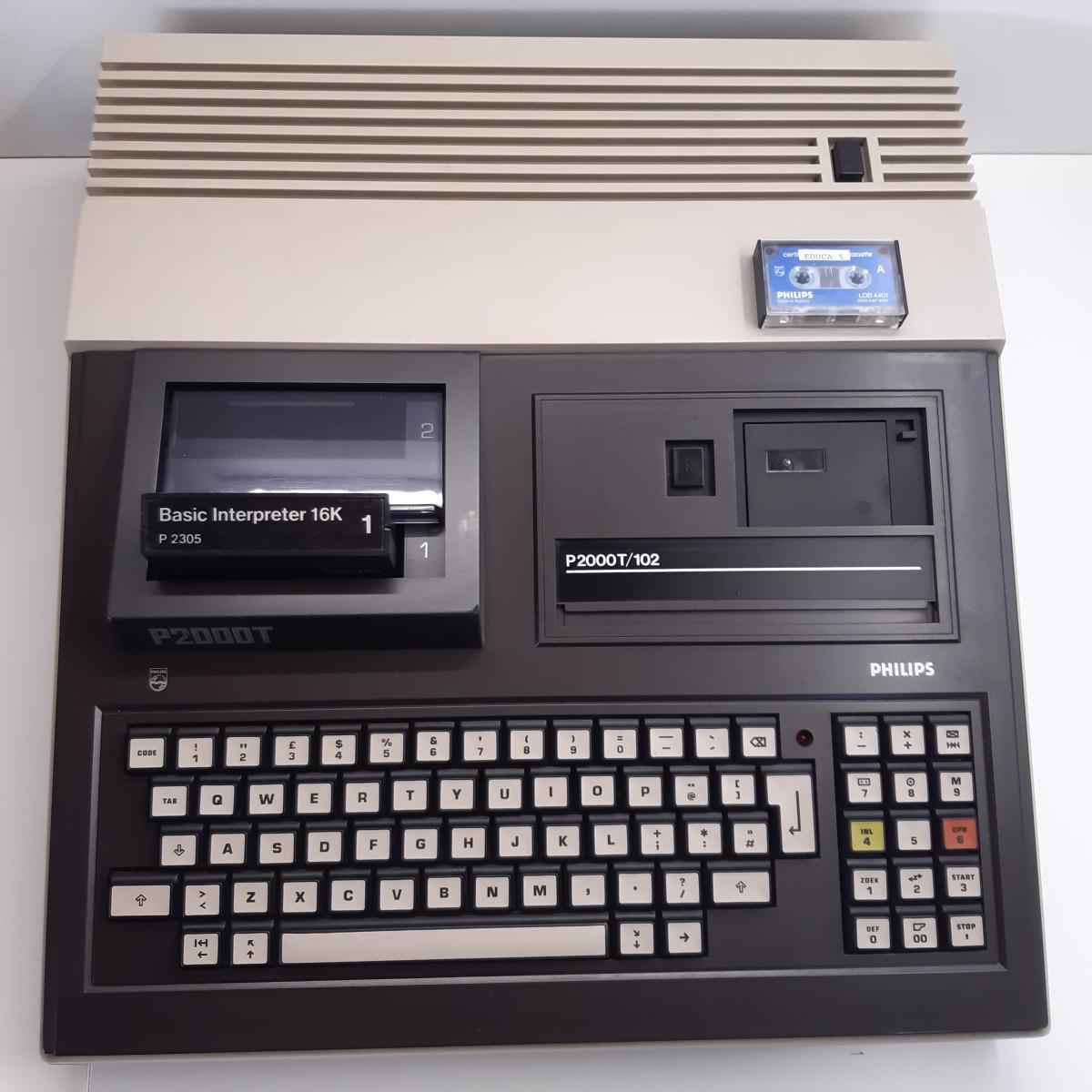
Personal and home computers moved computing out of institutions and into living rooms, bedrooms, and schools. Videopac cartridges and the Philips P2000T made games, BASIC, and machine-level curiosity approachable.

What I did

In fourth grade, games became instructions, instructions became behavior, and the Philips P2000T became the first computer where I learned BASIC as a high-level programming language. BASIC, machine code, and assembly made the machine feel understandable from different levels.
VGA and 3D graphicsPixels turned into architectural worlds.A direction emerged: software was not only logic, but also space, perception, imagination, and communication.Explore this era

Technology era

Pixar demos made computer-generated light, motion, and surfaces feel believable. VGA and SVGA cards then made sharper color graphics possible on personal hardware, opening a practical path from pixels to real-time visual tools.

What I did

While studying computer science, I started my first job at Pi-Systems: building 3D rendering software in C for architectural designs, including walkthroughs around and inside the house.

Windows, C++, and JavaDesktop frameworks met portable software.Industrial software connected programming with manufacturing, operations, integration, users, deadlines, and the cost of systems that do not match reality.Explore this era

Technology era

Windows 3.x, Microsoft Foundation Classes, and early Visual C++ made C++ desktop software more structured. Then Java arrived as a portable, network-aware language. Java 2 followed in December 1998 as the JDK 1.2 generation.

What I did

Alongside Windows and Visual C++ work, I moved into Java early. While working for Goulds Pumps / ITT Industries, I started with the Java 2 beta and used Java as a professional tool for operational software.

Web systemsSingle-machine code became connected platforms.This era shaped a product and architecture mindset for distributed applications: reliability, workflows, data boundaries, and teams building for scale.Explore this era

Technology era

The web boom moved software toward browsers, servers, connected systems, Java Enterprise architectures, ERP platforms, and logistics execution systems. The first Java application servers turned web apps into deployable enterprise platforms.

What I did

I used the first Java application servers and built web-era enterprise systems where browser interfaces, server components, databases, integrations, and operational workflows all had to cooperate.

Medical imaging + cloudGraphics and cloud met healthcare workflow.The product challenge became clinical reliability: advanced 2D/3D imaging, telemedicine architecture, regulated delivery, and clear workflow for radiology teams.Explore this era

Technology era

Commodity graphics, faster processors, browser interfaces, and early cloud platforms made advanced visualization and remote collaboration more realistic.

What I did

Evorad brought the long-running graphics interest into radiology software. The Aurora prototype on Google App Engine explored cloud medical imaging before cloud-native healthcare systems were common.

Education to platformsTeaching code became product generation.The mission shifted from building tools for experts to helping many more people become creators: first children learning code, then teams moving from idea to product faster.Explore this era

Technology era

Computing education moved toward games, visual learning, browser-based tools, and then low-code application development as teams looked for faster ways to turn ideas into working software.

What I did

Coding for All, Allcancode, and Run Marco turned programming education into playful product work, then Allcancode evolved toward a hybrid no-code, low-code, and pro-code platform for generating web and mobile applications.

Agentic AIAgents became systems that need governance.The original question is still active: how can a new generation of machines help people create and solve harder problems while keeping the work inspectable, improvable, and governed?Explore this era

Technology era

Frontier models opened the door to agentic workflows, but in 2024 the models could barely support the reliability, context handling, tool use, and evaluation discipline needed for serious enterprise platforms. By early 2025, the ground had shifted enough to make the platform work feel practical rather than only aspirational.

What I did

At UBITECH, I started building Gaia in 2024 as an agentic AI platform for building, operating, observing, evaluating, and governing enterprise AI agents and AI applications.

What stayed

Games opened the door. Code kept it open.

The Videopac was the beginning because it mixed play and possibility. Games made the computer approachable, but Cartridge 9 changed the relationship. Suddenly the machine was not only a toy. It was something I could question, instruct, and slowly understand.

The P2000T made that feeling bigger. BASIC gave the ideas names, loops, variables, and structure. Machine code kept me close to the underlying reality. That combination shaped the way I still like to build: close enough to the machine to respect the details, but always looking for the product, the experience, and the person on the other side of the screen.

The same pattern continued through Java, enterprise systems, healthcare software, education, low-code platforms, and Gaia: understand the new capability early, test what it can really do, and shape it into something people can trust.

From then to now

That first curiosity became a lifelong craft.

The tools changed from cartridges and BASIC to visual computing, web platforms, and agentic AI. The original question stayed the same: what can this machine help people make, understand, or do better?